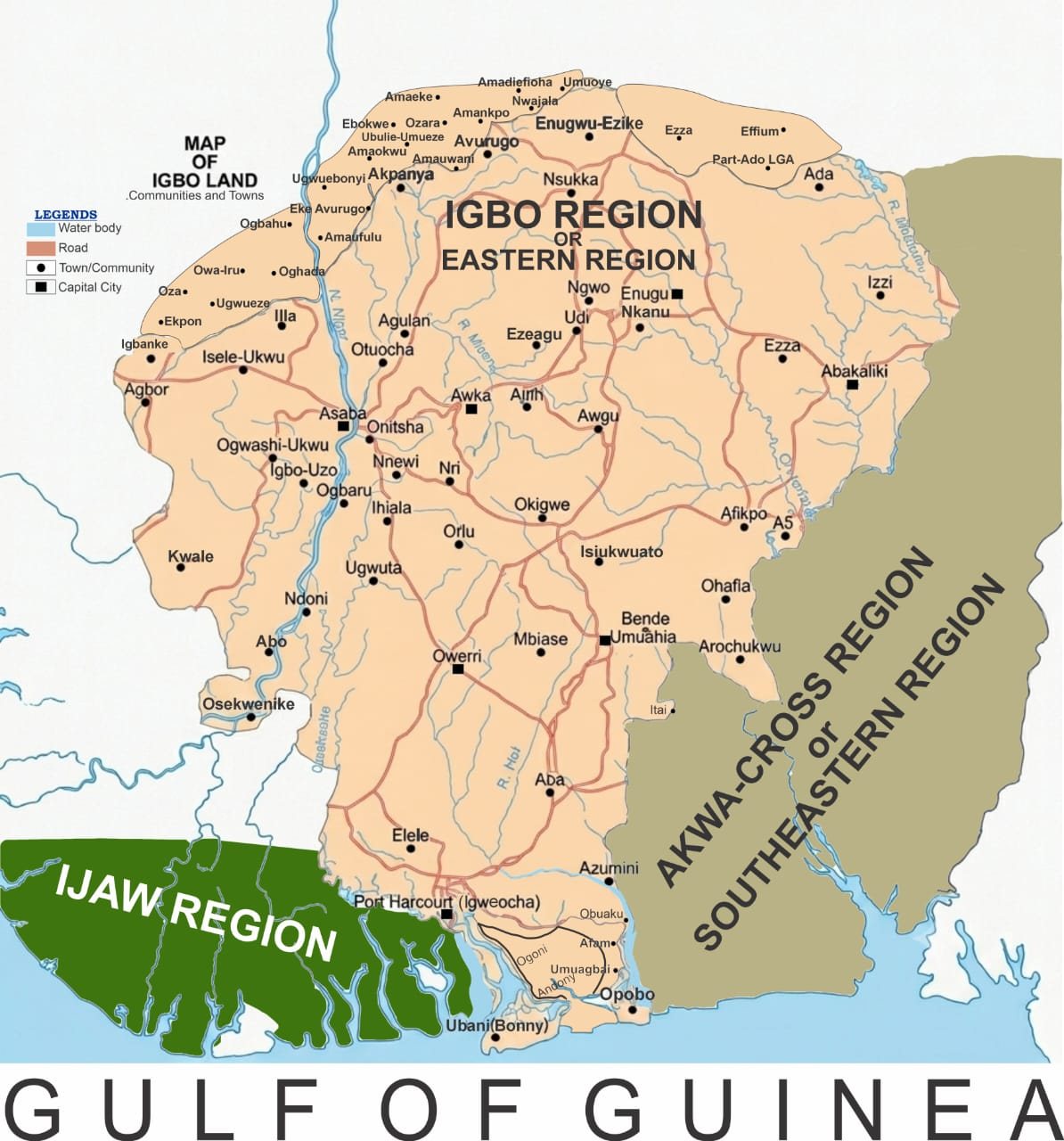
1. Is the Igbo Think-Home Development Initiative legally registered?
Answer: Yes. The Igbo Think-Home Development Initiative is duly registered with the Corporate Affairs Commission (CAC), Abuja, Nigeria, as an Incorporated Trustee.
2. What is the registration number?
Answer: The Initiative is registered under RC No. 9677673.
3. Can the public verify the registration?
Answer: Yes. In the interest of transparency, accountability, and public confidence, the Initiative is prepared to make its Certificate of Registration available on the appropriate platform for verification by members and stakeholders.
1000085247
4. What is the Igbo Think-Home Development Initiative?
Answer: It is a development-oriented institution established to promote economic advancement, investment, enterprise development, industrialisation, infrastructure, innovation, human-capital development, diaspora engagement, and sustainable homeland transformation across Alaigbo.
5. What is the meaning of “Think-Home • Invest-Home • Build-Home”?
Answer: It is the Initiative's core developmental philosophy. It encourages Ndi Igbo to think strategically about the future of their homeland, invest their resources and expertise productively, and participate actively in building sustainable economic and social infrastructure.
6. What does Aku-Ruru-Ulo mean?
Answer: Aku-Ruru-Ulo means “Let Wealth Return Home.” It expresses the aspiration that Igbo wealth, knowledge, professional expertise, technology, innovation, and global networks should increasingly contribute to the sustainable development of Alaigbo.
7. Why was the Initiative established?
Answer: The Initiative recognises that the long-term development of Alaigbo requires more than individual entrepreneurial success. It requires collective investment, strategic planning, industrial development, infrastructure, responsible leadership, innovation, and strong partnerships.
8. Who can participate in the Initiative?
Answer: Participation may include entrepreneurs, professionals, investors, manufacturers, farmers, academics, innovators, development practitioners, traditional institutions, corporate organisations, young people, women, diaspora communities, and other stakeholders whose activities are consistent with the objectives of the Initiative.
9. Is the Initiative exclusively for people living in the South-East?
Answer: No. The Initiative is designed to engage Ndi Igbo at home and across the global diaspora, recognising that homeland development requires the combined contribution of people within Alaigbo and those living and working around the world.
1000085329
10. What sectors does the Initiative seek to promote?
Answer: Priority areas include manufacturing, agriculture, agro-processing, technology, infrastructure, logistics, real estate, education, healthcare, renewable energy, tourism, financial services, entrepreneurship, and other productive sectors capable of generating sustainable economic value.
11. Does the Initiative support industrialisation?
Answer: Yes. The Initiative strongly encourages the transition from excessive dependence on imported goods towards local production, manufacturing, processing, technology development, value addition, and export-oriented industries.
12. Why is industrialisation important to Alaigbo?
Answer: Industrialisation can create employment, strengthen local supply chains, develop technical skills, increase productivity, reduce import dependence, expand exports, generate government revenue, and provide sustainable opportunities for future generations.
13. What role should Igbo traders play?
Answer: The Initiative recognises the extraordinary contribution of Igbo traders to the regional and national economy. The next stage is to encourage successful traders to progressively transform commercial strength into manufacturing, processing, warehousing, logistics, technology, and other productive investments.
14. What role can the diaspora play?
Answer: The Igbo diaspora can contribute capital, expertise, technology, international market access, research, innovation, professional networks, and strategic partnerships. Diaspora participation is therefore central to the Think-Home philosophy.
1000088748
15. Does Think-Home mean abandoning international business?
Answer: No. Think-Home does not reject international trade. Rather, it encourages Ndi Igbo to complement international commerce with productive investment at home, gradually moving from simply importing products to producing, processing, packaging, and exporting goods from Alaigbo.
16. How can the Initiative support young people?
Answer: Through programmes and partnerships focused on entrepreneurship, technical skills, innovation, education, employment, enterprise development, mentorship, and human-capital advancement.
17. Is the Initiative a political organisation?
Answer: The Initiative is fundamentally development-oriented, focusing on economic, investment, enterprise, infrastructure, industrialisation, innovation, and homeland-development objectives. Its platform should therefore remain focused on constructive development rather than partisan political activities.
18. How will transparency and accountability be promoted?
Answer: The Initiative is committed to lawful governance, institutional accountability, proper documentation, responsible financial management, transparency, professionalism, and compliance with applicable regulatory requirements.
19. Can governments and private-sector organisations partner with the Initiative?
Answer: Yes. Strategic collaboration may be pursued through public-private partnerships, investment projects, research, infrastructure development, enterprise programmes, technical cooperation, and other lawful initiatives consistent with the Initiative's objectives.
20. What is the long-term vision?
Answer: The vision is to contribute to the emergence of a secure, prosperous, innovative, industrialised, economically vibrant, and globally competitive Alaigbo.
21. What is the central message of the Initiative?
Answer: The message is a call for collective responsibility:
1000088751
Think-Home.
Invest-Home.
Build-Home.
Ndi Igbo worldwide are encouraged to transform their wealth, knowledge, enterprise, innovation, and global connections into enduring instruments of homeland development.
22. What does the Initiative ultimately seek to achieve?
Answer: To help create an economic environment in which businesses can grow, industries can thrive, young people can find productive opportunities, communities can develop, investors can prosper, and future generations can inherit a stronger and more sustainable Alaigbo.
INEC APPOINTMENTS: Transparency, Fairness and National Unity. CEPCCN demands constitutional compliance, merit, equitable representation and accountability without prejudice.
Ndubuisi Daniel Chidera · 15 Oct 2026 · 4 min · 76 views