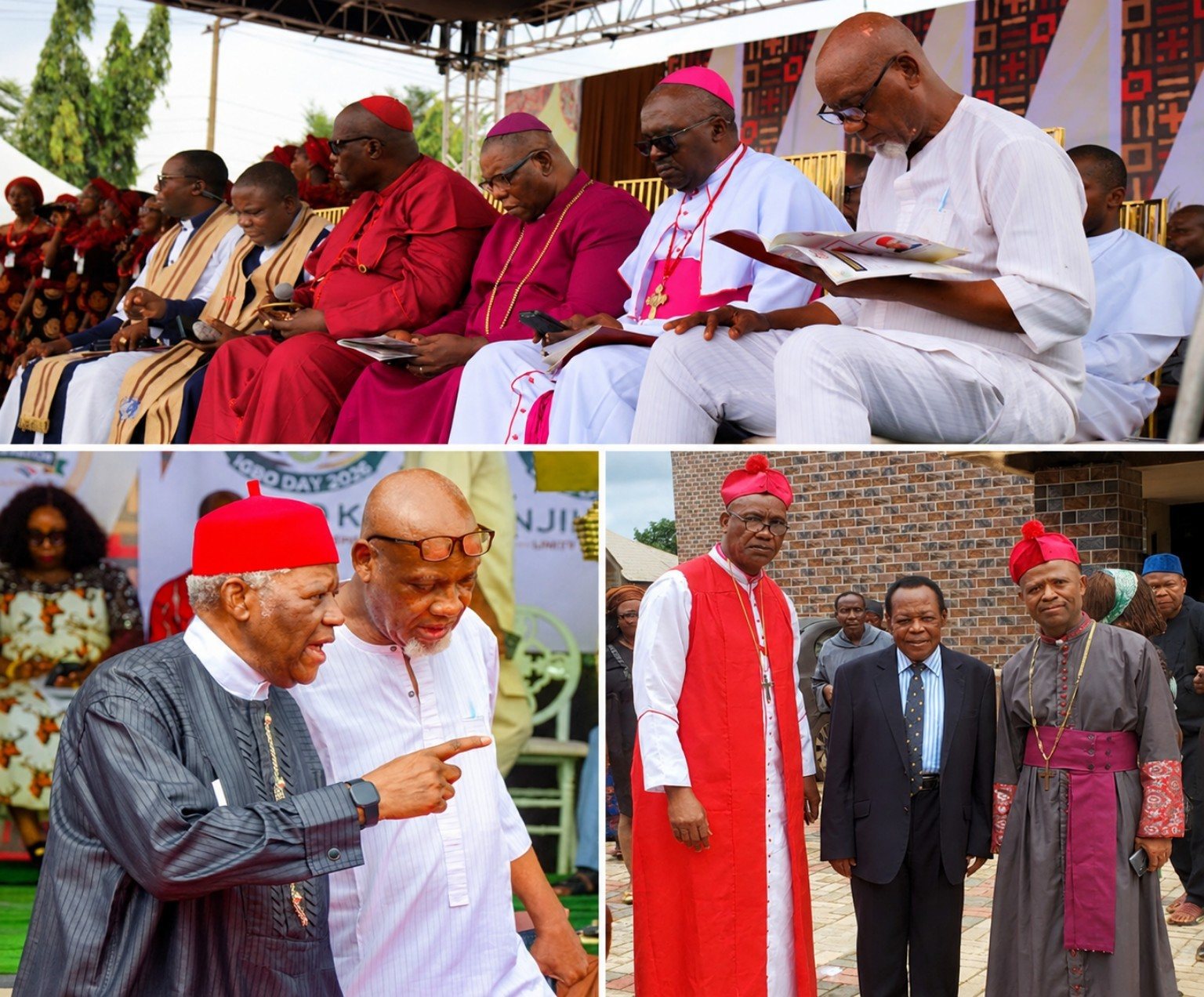
UNIEC CALLS FOR FACTS, WISDOM & RESPONSIBLE RESTRUCTURING Identity must be respected, history verified, boundaries evidence-based, and Nigeria’s future guided by justice, dialogue and mutual respect.
Ndubuisi Daniel Chidera·2 September 2026·3 min read·8 views
NEWS COMMENTARY
IGBO IDENTITY, HISTORICAL TERRITORIES AND THE QUESTION OF BOUNDARIES: UNIEC CALLS FOR FACTS, WISDOM AND RESPONSIBLE RESTRUCTURING
UCHE NA AKỌ: LET WISDOM GUIDE US
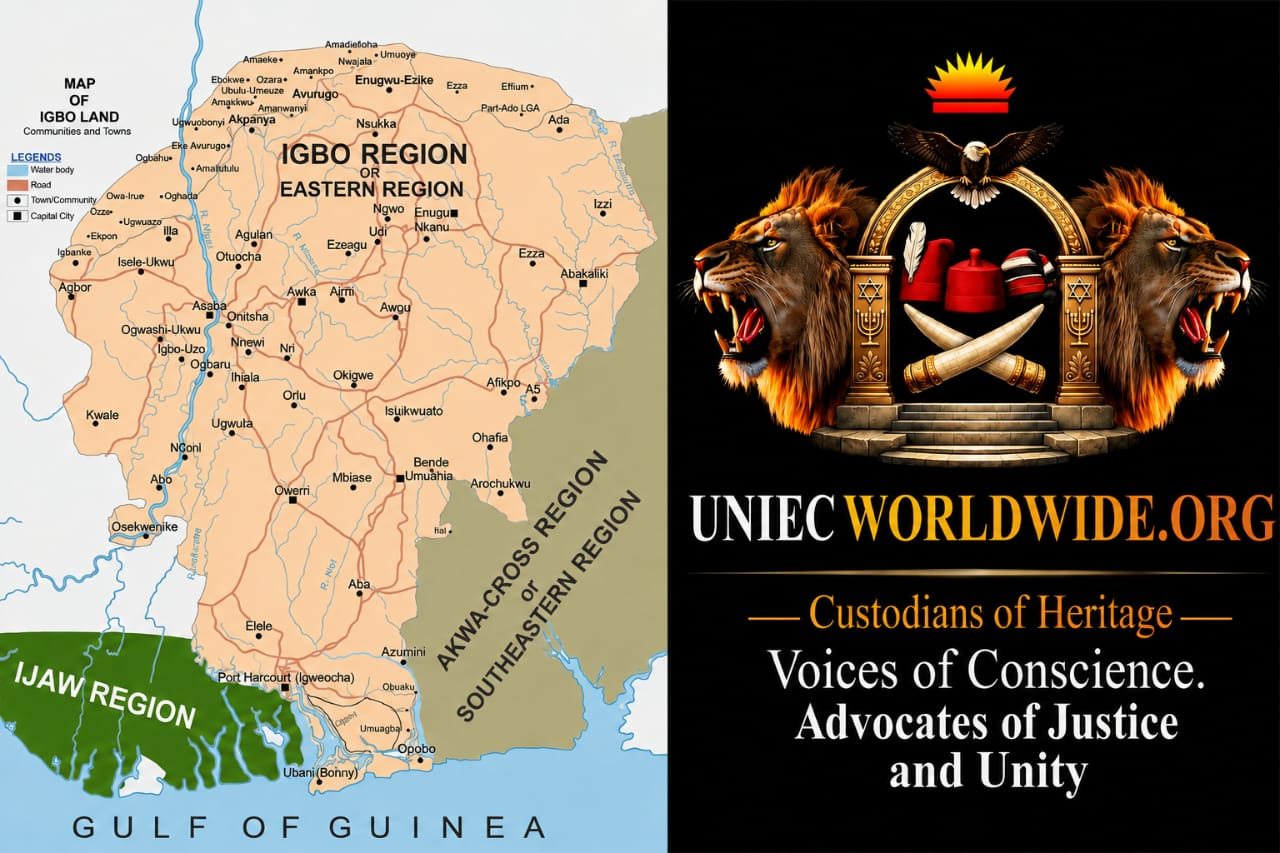
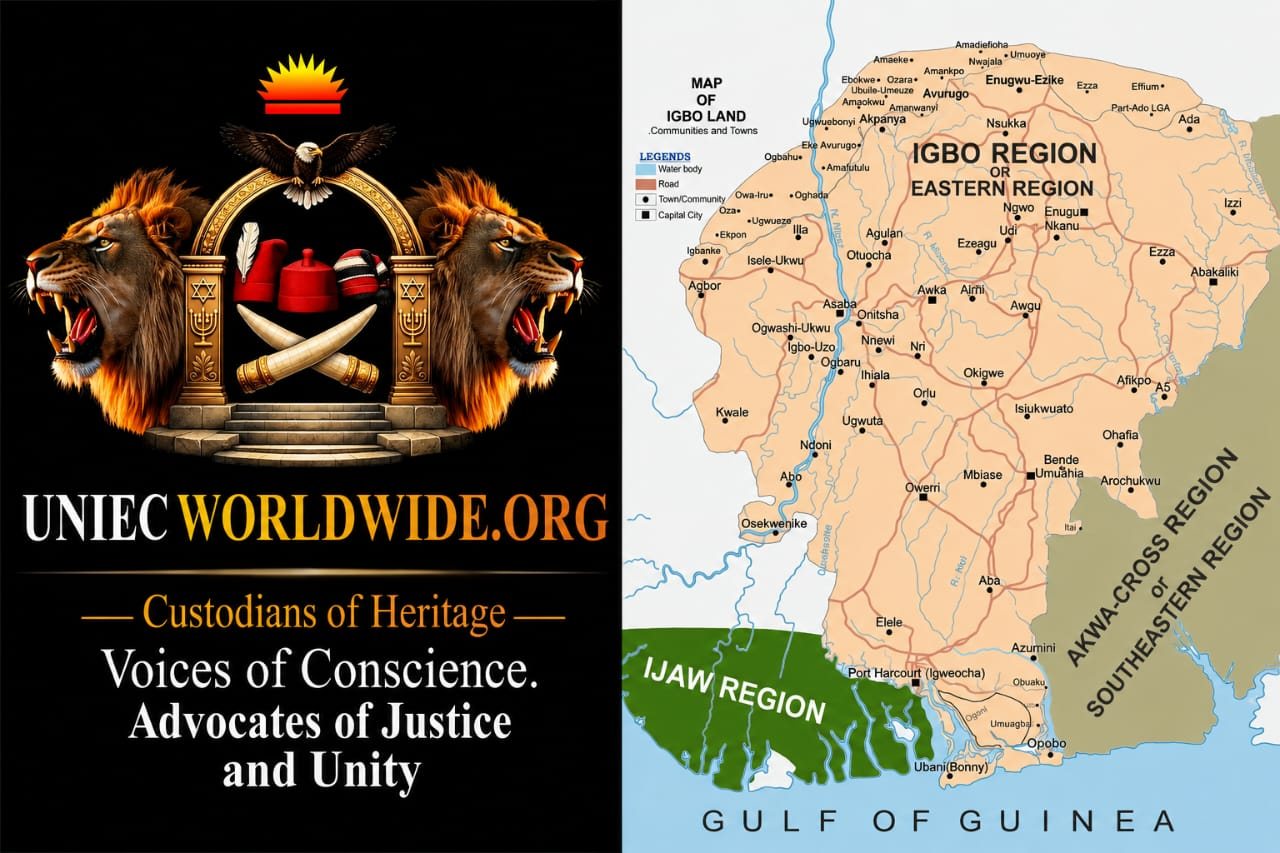
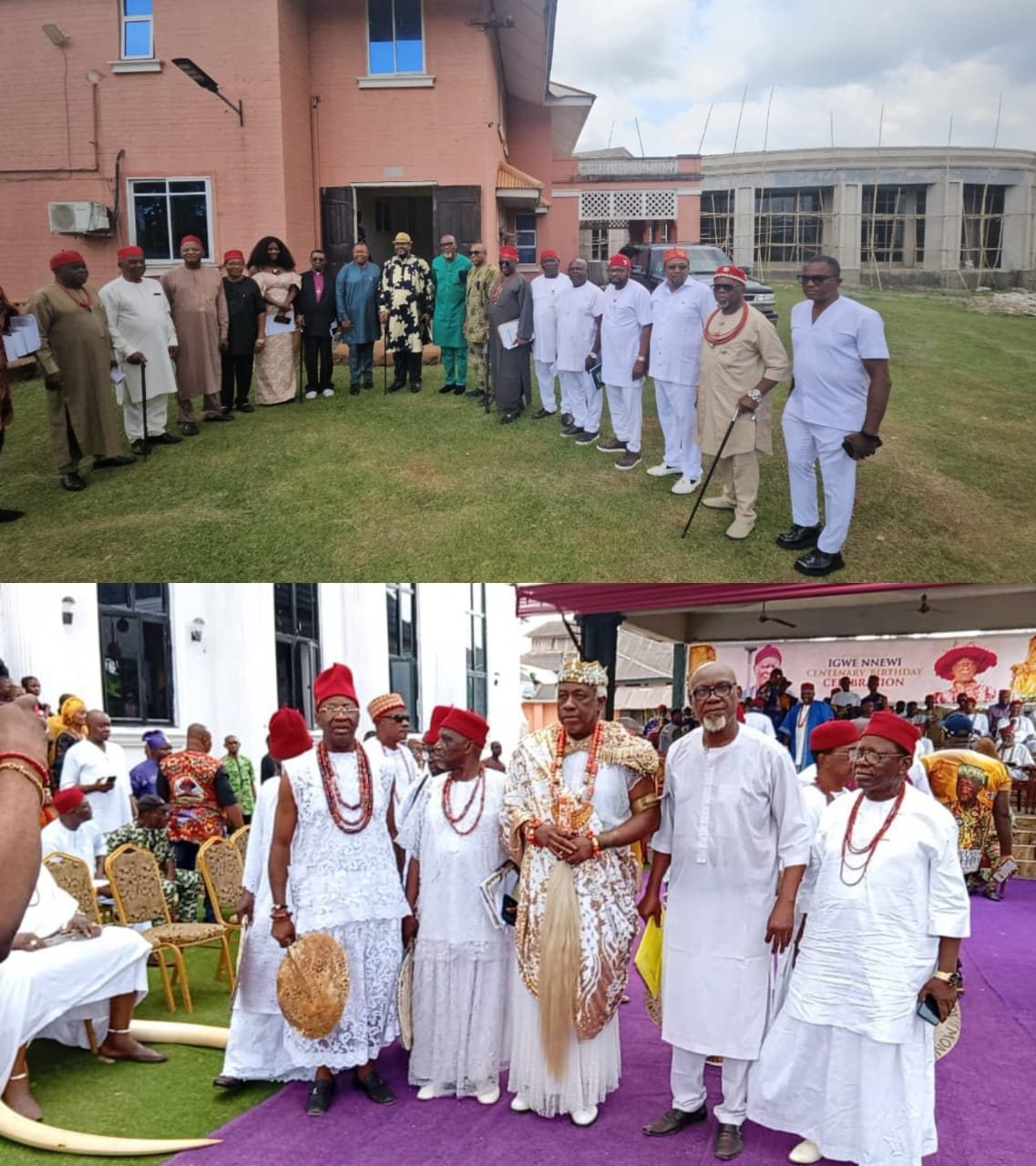
The Supreme Elderly Council of the United Igbo Elders Council (UNIEC) Worldwide has taken note of recent commentary concerning the proposed restructuring of Nigeria along ethno-linguistic and indigenous identity lines, particularly the concerns expressed regarding the geographical definition of the Igbo nation.
UNIEC recognises that the question of identity, history and territorial boundaries is sensitive and capable of generating strong emotions. The Council therefore urges all stakeholders to approach the matter with historical knowledge, documentary evidence, constitutional responsibility and the wisdom expected of elders and responsible citizens.
1000092406
IDENTITY MUST NOT BE CONFUSED WITH ADMINISTRATIVE BOUNDARIES
The Council acknowledges the legitimate principle that administrative boundaries do not necessarily determine the totality of an ethnic nationality's historical, linguistic or cultural identity.
Nigeria's present geopolitical zones and state boundaries are products of successive constitutional and administrative arrangements. They should therefore not automatically be treated as definitive evidence of the historical extent of any ethnic nationality.
At the same time, UNIEC cautions against making sweeping territorial claims without credible historical, ethnographic, legal and documentary verification.
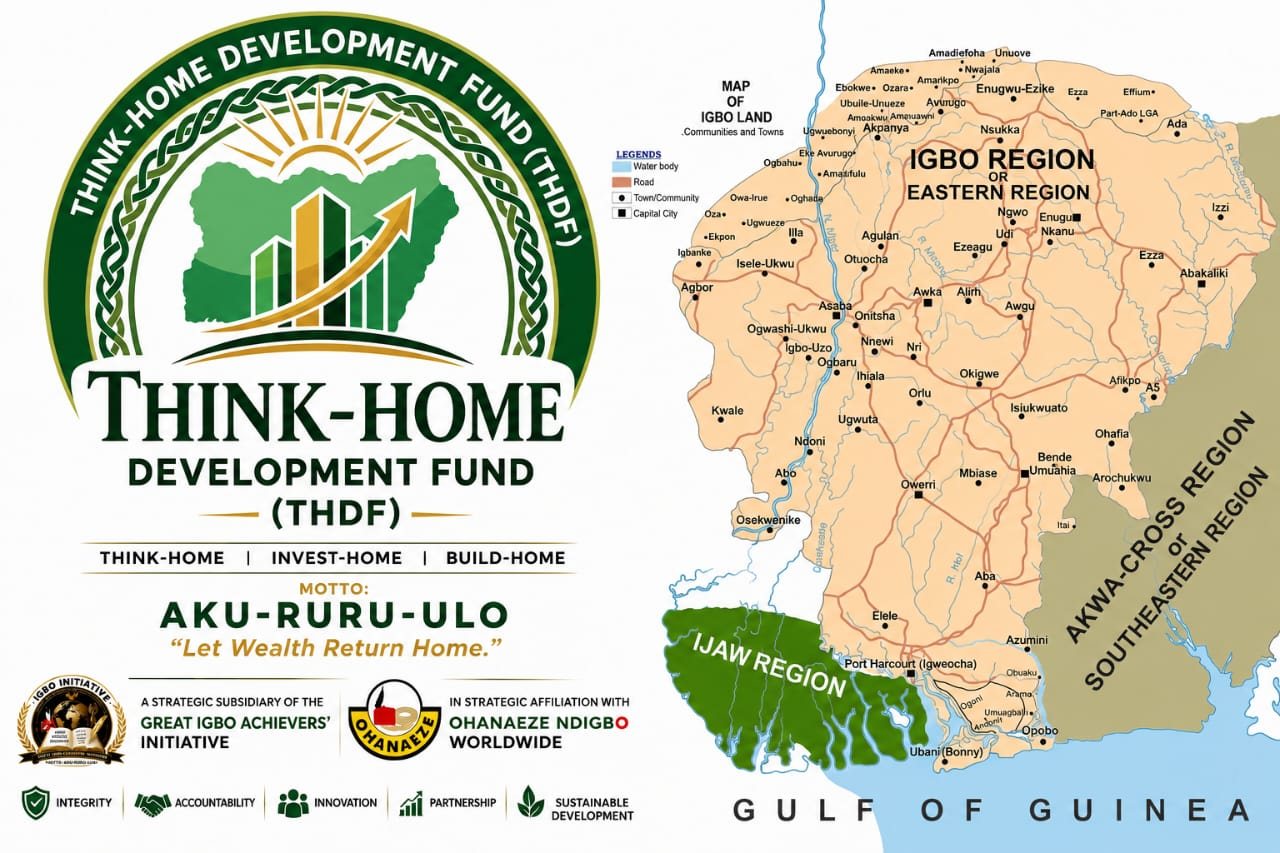
The existence of Igbo-speaking communities outside the present five South-East states is a matter that deserves serious historical and scholarly consideration. Communities in parts of Delta, Rivers, Edo, Akwa Ibom, Cross River, Benue, Kogi and other areas have complex histories of language, migration, settlement, intermarriage, cultural interaction and political affiliation.
These realities should be studied objectively rather than reduced to political slogans.
1000092409
HISTORICAL RECORDS MUST SPEAK
UNIEC notes the importance of historical materials produced during the colonial and pre-independence periods, including ethnographic records, administrative reports, maps, census materials, judicial decisions and the records of commissions such as the Willink Commission of 1957–1958.
However, such materials should be examined in their proper historical and legal context. No single document should be casually described as an automatically binding international determination of contemporary territorial ownership without establishing its precise legal status and continuing relevance.
As elders, we counsel:
«“When history is disputed, let the records speak; when boundaries are questioned, let evidence guide the conversation.”»
RESPECT FOR NEIGHBOURING NATIONS
UNIEC further emphasises that recognition of Igbo identity must never become a denial of the identity or legitimate historical claims of neighbouring ethnic nationalities.
The Igbo have lived, traded, intermarried and interacted with numerous neighbouring peoples for generations. Respect for Igbo heritage must therefore coexist with respect for the heritage, dignity and territorial concerns of other Nigerian communities.
1000092413
The objective should not be to manufacture historical enemies, but to establish a framework in which every recognised community can participate fairly in determining Nigeria's future.
RESTRUCTURING MUST BE EVIDENCE-BASED
If Nigeria is to be restructured along ethno-linguistic or indigenous-identity principles, UNIEC recommends that the process should establish clear and universally applicable criteria for defining ethnic nationality, historical settlement, cultural continuity, territorial contiguity and community consent.
Any proposed map should be subjected to transparent scholarly, community and constitutional scrutiny. Where communities have legitimate competing identities or historical affiliations, consultation, plebiscites or other lawful mechanisms may be considered where appropriate.
UNIEC therefore welcomes constructive advocacy for restructuring but cautions against inflammatory language, unverified historical claims, personal attacks or attempts to predetermine outcomes.
THE ELDERLY COUNSEL
The strength of the Igbo nation lies not merely in the extent of territory claimed, but in the preservation of identity, culture, language, enterprise, dignity and unity.
History should inform restructuring; evidence should guide boundaries; constitutional processes should determine outcomes; and wisdom should preserve peaceful coexistence.
The Supreme Elderly Council therefore calls upon Ndigbo and all Nigerians to pursue restructuring through truth, dialogue, justice and mutual respect.
1000091885
“ONYE AGHALA NWANNE YA.”
Let no one abandon his or her brother.
ONE PEOPLE. ONE HERITAGE. MANY VOICES. ONE COLLECTIVE DESTINY.
UNITED IGBO ELDERS COUNCIL (UNIEC) WORLDWIDE
Custodians of Heritage • Voices of Conscience • Advocates of Justice and Unity
Advancing Humanity • Empowering Generations • Building a Greater Igbo Society
Issued under the Authority of the Supreme Elderly Council
Director-General (D-G)
United Igbo Elders Council (UNIEC) Worldwide
INEC APPOINTMENTS: Transparency, Fairness and National Unity. CEPCCN demands constitutional compliance, merit, equitable representation and accountability without prejudice.
Ndubuisi Daniel Chidera · 15 Oct 2026 · 4 min · 76 views